Reach for a door, lift a bag, press hands together, and the reconstructed breast jumps, flattens or pulls upward. This is animation deformity, one of the most visible and least discussed sequelae of submuscular implant reconstruction. It is mechanical, predictable and, importantly, correctable. This article explains why it happens, how often it is reported, and what can be done about it, including conversion of the implant pocket to the prepectoral plane.


Why it happens
In subpectoral reconstruction the pectoralis major is elevated and draped over the implant. The muscle keeps doing its job: every contraction now transmits force directly to the device beneath it. The result can be visible distortion of the breast mound with activity, lateral or superior displacement of the implant over time, and in some patients a dragging or twitching sensation. Reviews of the phenomenon (Kim et al., Archives of Plastic Surgery 2019, among others) describe it as an inherent consequence of submuscular placement rather than a technical error.
How common is it?
Reported frequency varies widely with how carefully it is looked for; studies that examine patients dynamically report it in a majority of submuscular reconstructions, while rates of patient-reported bother are lower. The honest statement is that some degree of animation is common after subpectoral reconstruction, a subset of patients find it distressing, and it essentially does not occur in prepectoral reconstruction, because no muscle crosses the implant.
Prevention: the plane decision
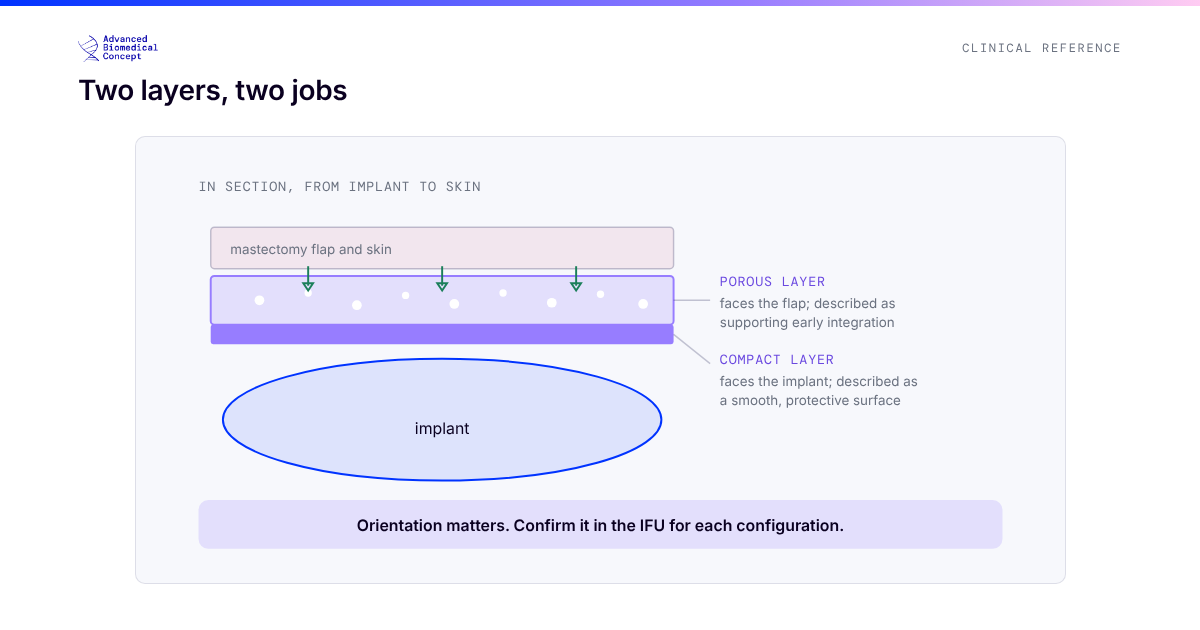
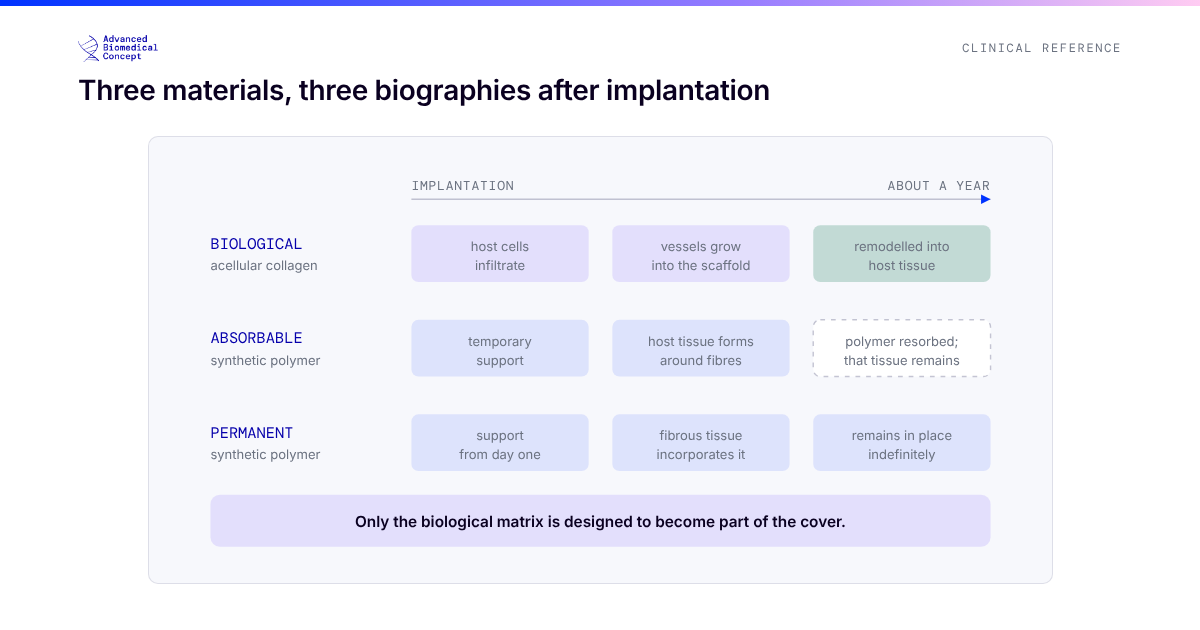
Because the mechanism is anatomical, prevention is anatomical too. The rise of prepectoral reconstruction, in which the implant sits above an intact pectoralis major supported by a biological matrix, removes the possibility of animation at source. This is one of the clearest arguments in the wider prepectoral versus subpectoral comparison, though it must be weighed against the demands the prepectoral plane places on flap quality and soft-tissue cover.
Correction: subpectoral-to-prepectoral conversion
For patients already troubled by animation, pocket conversion has become the definitive corrective operation. The muscle is returned to its anatomical position on the chest wall, a new prepectoral pocket is created, and the implant is exchanged into it, supported by matrix where soft-tissue reinforcement is needed. Published series (Lentz et al., Gland Surgery 2019; Holland et al., Plastic and Reconstructive Surgery Global Open 2022; Gabriel and Maxwell’s site-conversion reports) consistently describe resolution of animation with acceptable complication profiles in appropriately selected patients. Points that recur across the series:
- Flap assessment still rules. Conversion asks the soft tissue to cover the implant without muscle, so envelope thickness and perfusion are assessed just as in primary prepectoral surgery.
- Matrix support is commonly used to stabilise the new pocket and control implant position.
- Fat grafting is a frequent adjunct, thickening thin envelopes either at conversion or as a staged refinement; see our fat grafting guide.
What patients should know
Animation deformity is not dangerous, and correction is elective. But patients deserve to hear about it before their first reconstruction, not after: the choice between planes involves trade-offs on both sides, and movement of the breast with muscle activity is one of them. Anyone bothered by animation after a submuscular reconstruction can reasonably ask their surgical team whether pocket conversion is an option for them; suitability is an individual clinical judgement.
The bottom line
Animation deformity is a mechanical consequence of putting a working muscle over an implant. It is common after subpectoral reconstruction, absent from prepectoral reconstruction, and correctable by returning the muscle to its anatomy and converting the pocket. As always in reconstruction, the deeper lesson is about matching the operation to the patient in the first place.
Key published sources
- Kim JYS, et al. An overview of animation deformity in prosthetic breast reconstruction. Gland Surgery. 2019.
- Lentz R, et al. Correction of animation deformity with subpectoral to prepectoral implant exchange. Gland Surgery. 2019.
- Holland MC, et al. Prepectoral conversion of subpectoral implants for animation deformity: technique and experience. Plastic and Reconstructive Surgery Global Open. 2022.
- Gabriel A, Maxwell GP. Prepectoral site conversion for animation deformity. Plastic and Reconstructive Surgery Global Open. 2019.
Important information This article is general education, not medical advice. Tap to read the full medical, regulatory & legal notice.
This article is provided by Advanced Biomedical Concept for general informational and educational purposes only. It does not constitute medical, surgical, diagnostic, or other professional healthcare advice, and it is not a substitute for consultation with a suitably qualified healthcare professional. Reading it creates no doctor–patient or other professional relationship. Nothing here should be used to diagnose, treat, cure, or prevent any disease or condition, or to make decisions about medical care. Always seek the advice of a physician or other qualified provider with any questions about a medical condition or treatment, and never disregard or delay professional advice because of something you have read here.
Any reference to Advanced Biomedical Concept products (including ExaShape and ExaFat) is provided for general information only. These are medical devices intended to be used by appropriately trained healthcare professionals strictly in accordance with their applicable, current Instructions for Use (IFU). Regulatory status (including CE marking and classification under the EU Medical Device Regulation), market availability, and approved indications differ between countries and may change over time; a device referred to here may not be available or approved in your country. This content is not intended as, and must not be relied upon as, a statement or claim of safety, clinical performance, or efficacy beyond what is set out in the applicable IFU and current regulatory approvals. Product-specific information is directed at healthcare professionals and is not intended to promote, advertise, or offer any medical device to the general public where such promotion is restricted or prohibited by law.
Statements reflect information believed to be accurate at the date of publication and may be updated or corrected without notice. Any statements regarding the future are expectations or general views, not guarantees. Clinical outcomes depend on many individual factors, results vary from person to person, and no particular result is promised or implied. Where third-party studies, sources, or external links are referenced, they are provided for convenience and information only and do not imply endorsement, and Advanced Biomedical Concept is not responsible for their content.
To the fullest extent permitted by applicable law, Advanced Biomedical Concept and its officers, employees, contributors, and representatives (each acting in that capacity and on behalf of Advanced Biomedical Concept) accept no liability for any loss, injury, or damage of any kind arising directly or indirectly from use of, or reliance on, this content. Nothing in this notice excludes or limits any liability that cannot lawfully be excluded or limited.
Questions about this material can be directed to us via our contact page.
Last reviewed: August 24, 2026.