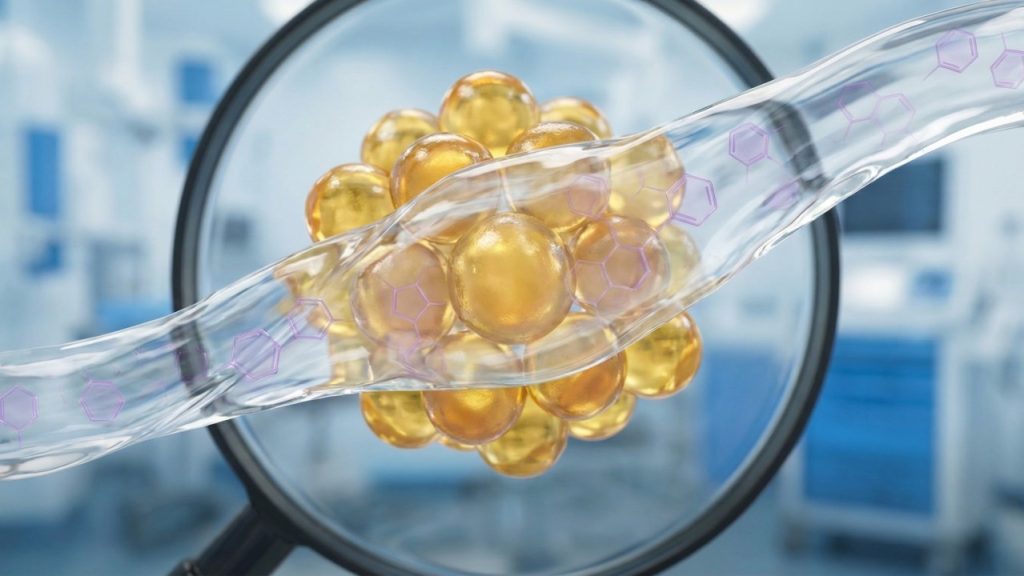
The unpredictability of autologous fat grafting has long been the primary hurdle in reconstructive and aesthetic breast surgery. To address this, we launched The Integrity Initiative, a clinical deep-dive into the mechanical, biological, and chemical variables that dictate graft survival. This article synthesizes our findings, moving beyond traditional methods to establish a new standard for adipose tissue transplantation based on the preservation of cellular integrity.
1. Biological Integrity: The Purity Principle
The Purity Variable
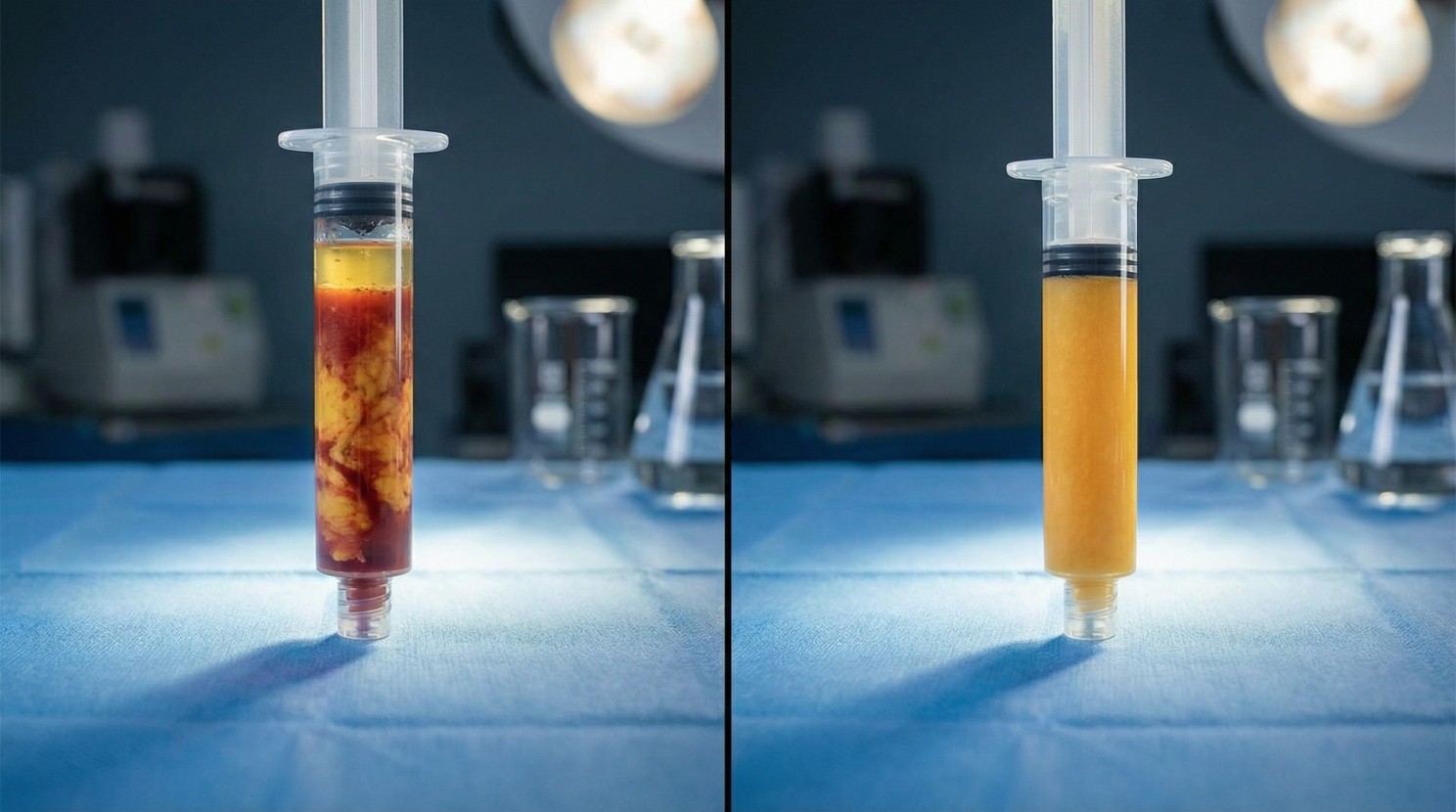
The first phase of our initiative focused on the post-harvest environment. Raw lipoaspirate is burdened with “non-viable” components – blood cells and free lipids – that serve as pro-inflammatory catalysts. These contaminants are the primary cause of oil cysts and graft resorption.
The findings from The Integrity Initiative highlight that simultaneous washing and filtration (the dialysis principle) is significantly more effective than gravity or centrifugation. This method removes over 95% of red and white blood cells and reduces free lipid content to less than 1% [2]. By eliminating these variables, we transition from a contaminated aspirate to a purified, standardized tissue graft.
2. Mechanical Integrity: The Impact of Harvest Pressure
The Pressure Variable
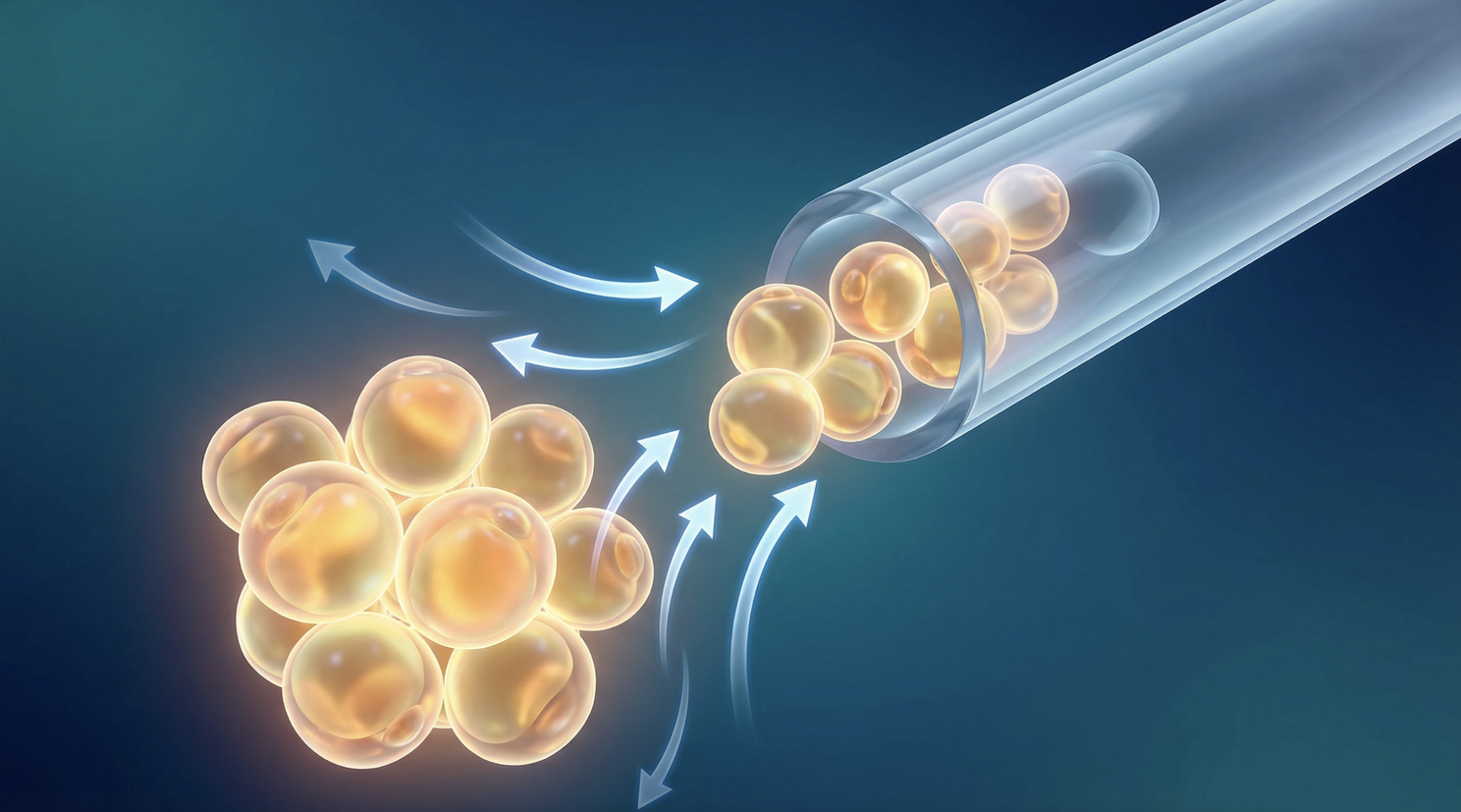
Phase two focused examined the point of harvest. Peer’s Cell Survival Theory posits that long-term volume retention is directly proportional to the number of viable adipocytes transplanted. Our findings confirm that traditional high-vacuum aspiration often compromises this foundation.
Clinical evidence reveals that harvesting at a controlled low pressure (-250 mmHg) preserves a 47% higher adipocyte count than standard high-pressure aspiration (-760 mmHg) [
. By mitigating mechanical shear stress during the initial phase, we ensure that the graft enters the processing stage with maximum biological potential.
3. Structural Integrity: Gentleness Over Force
The Processing Variable
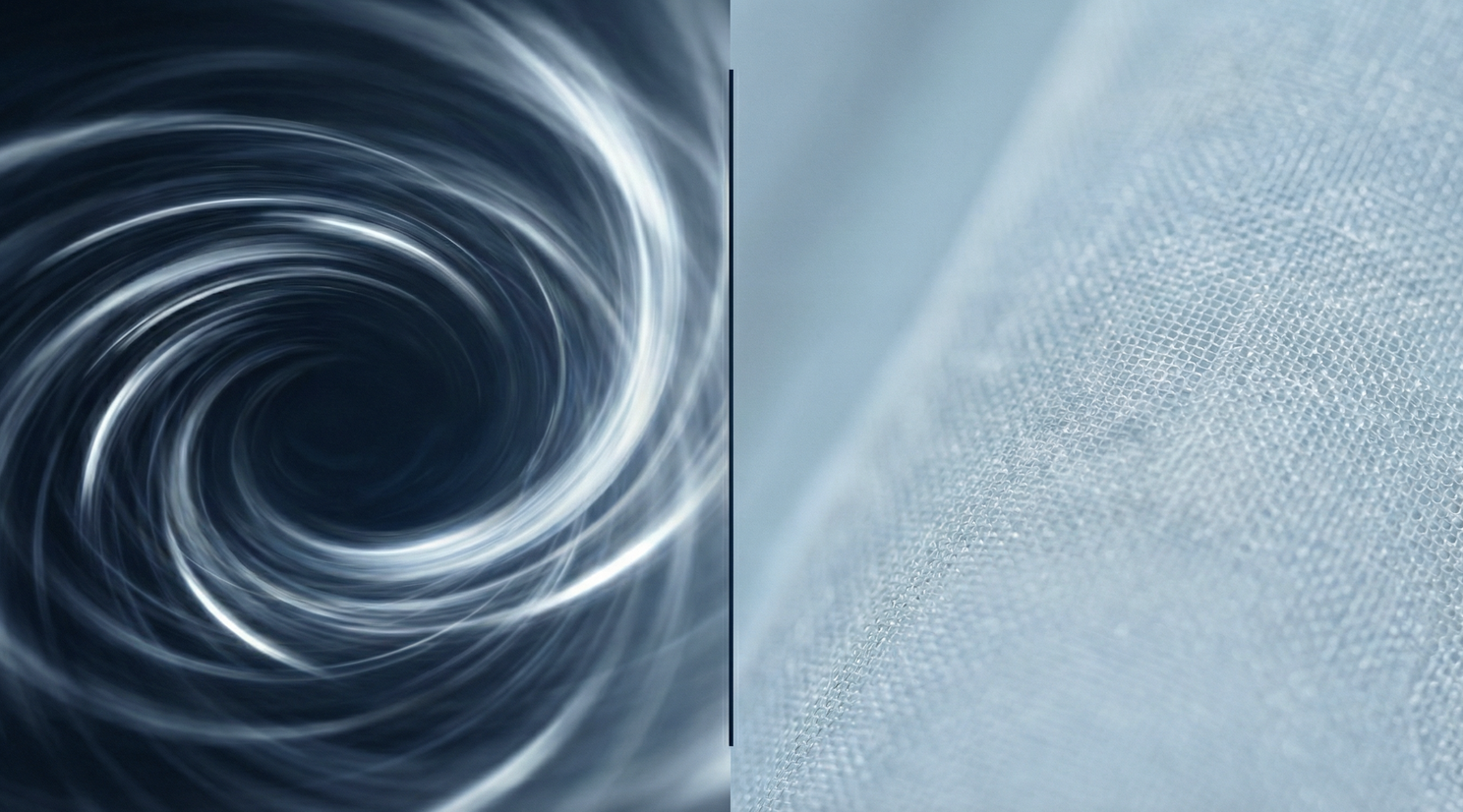
Our studying into processing methods compared the mechanical impact of centrifugation against filtration. While centrifugation is common, the high-G forces required for separation can be deleterious to the tissue micro-architecture.
The data confirms that strong centrifugation (900g) results in significantly higher adipocyte death compared to washing [3]. Gentle processing preserves the extracellular collagen matrix and the connective tissue fibers essential for neovascularization. Maintaining this structural integrity is what allows the graft to integrate successfully into the host breast tissue.
4. Chemical Integrity: Stem Cell Protection
The Chemical Variable
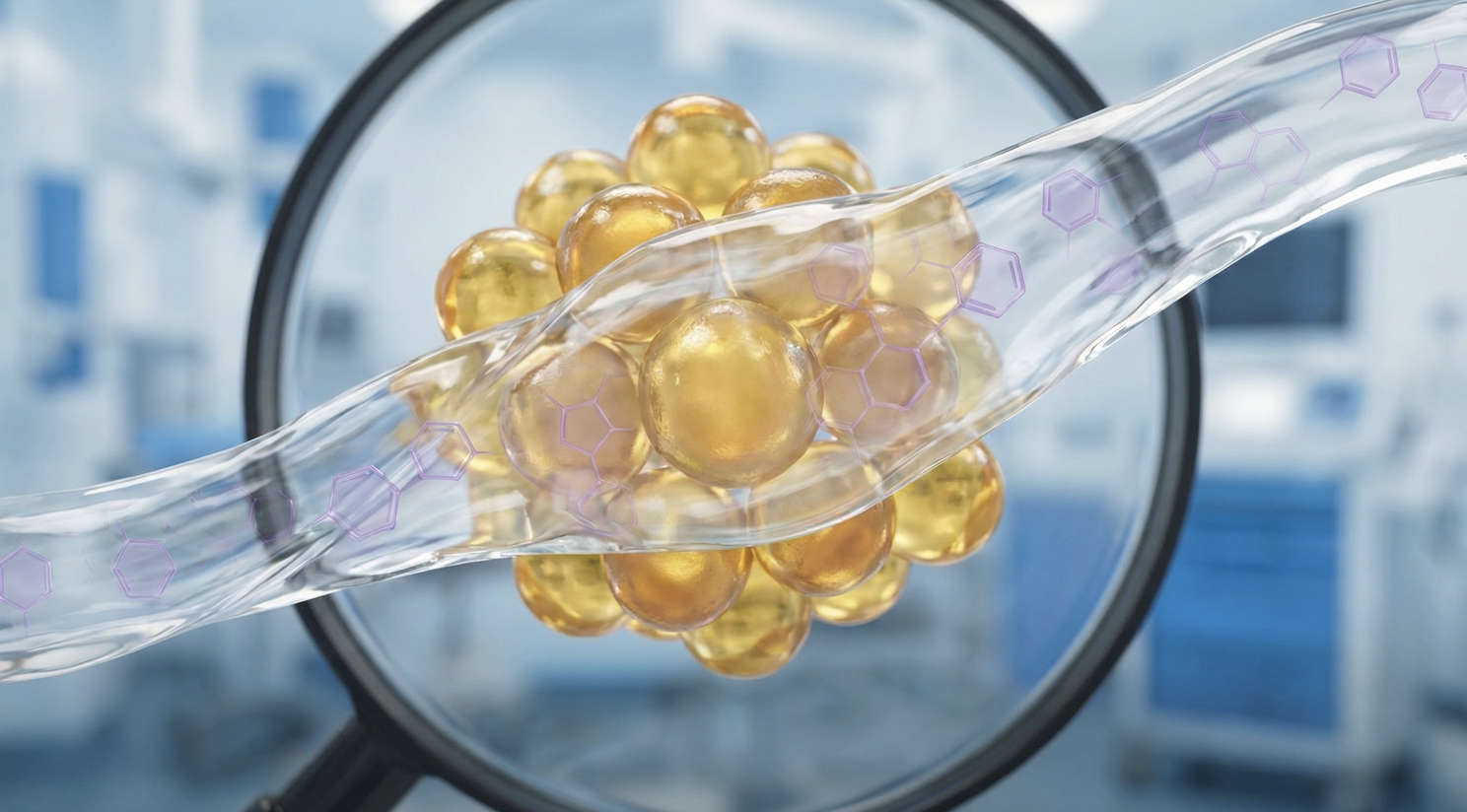
Finally, we examined the “silent” variable: the chemical environment. Local anesthetics, specifically lidocaine, are indispensable for surgery but toxic to the graft.
The initiative’s findings show that lidocaine exerts a dose-dependent toxic effect on Adipose-Derived Stem Cells (ADSCs) [4]. If these regenerative cells are not cleared of residual chemistry, their survival is compromised post-injection. A rigorous washing protocol is therefore mandatory to ensure the long-term health of the stem cell population within the graft.
5. Metabolic Integrity: Measuring Functional Survival
The Metabolic Variable
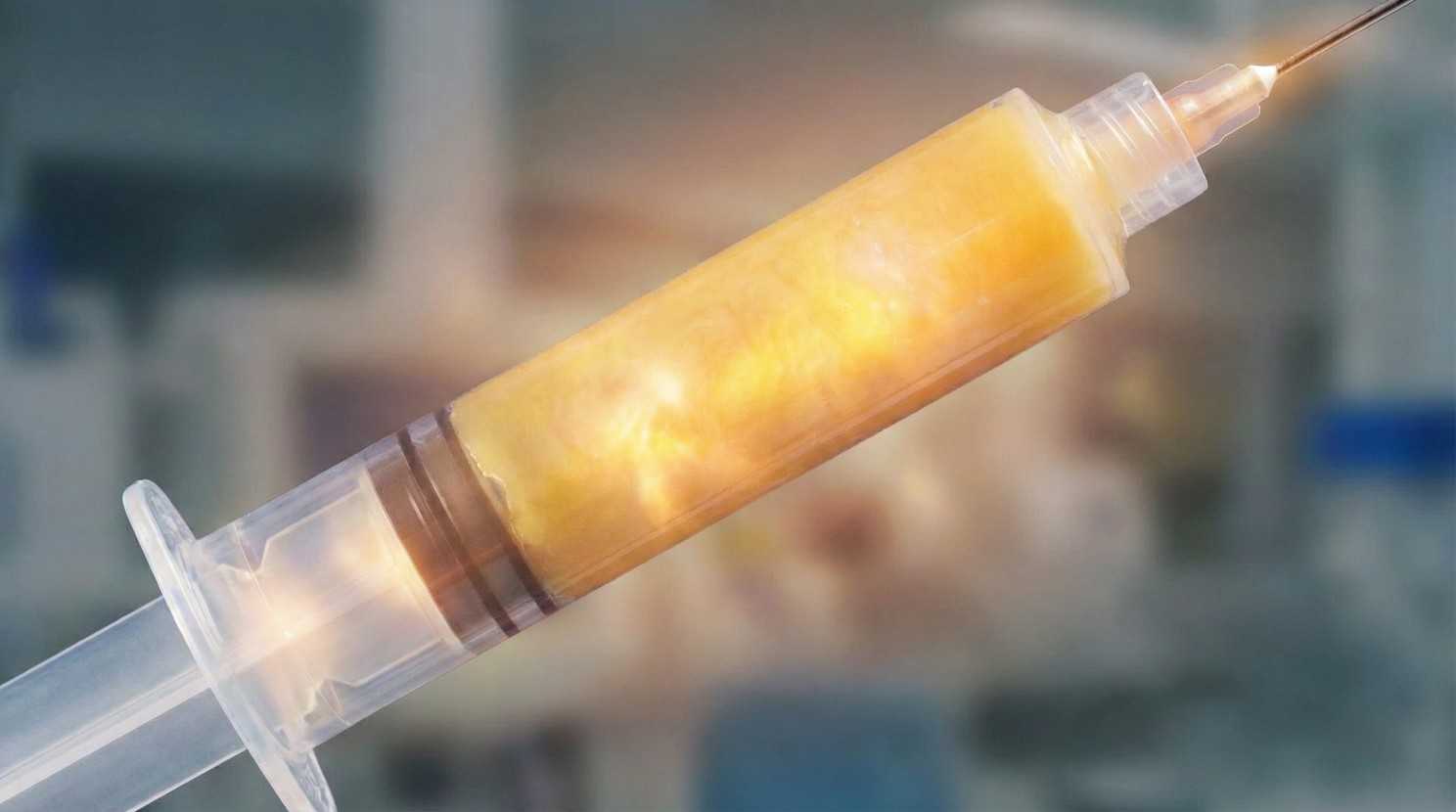
The final metric of a successful graft is its metabolic activity. A graft that is structurally present but metabolically “silent” is prone to early resorption. The Integrity Initiative focused on glycerol release – a key indicator of adipocyte health and functional lipolysis.
Findings show that grafts processed via simultaneous washing and filtration maintain significantly higher metabolic activity compared to those subjected to high-G force centrifugation [2]. By preserving the cellular machinery required for energy signaling, we provide a graft that is biologically prepared to thrive in the recipient site.
Conclusion: The ExaFat Standard
The Integrated Solution
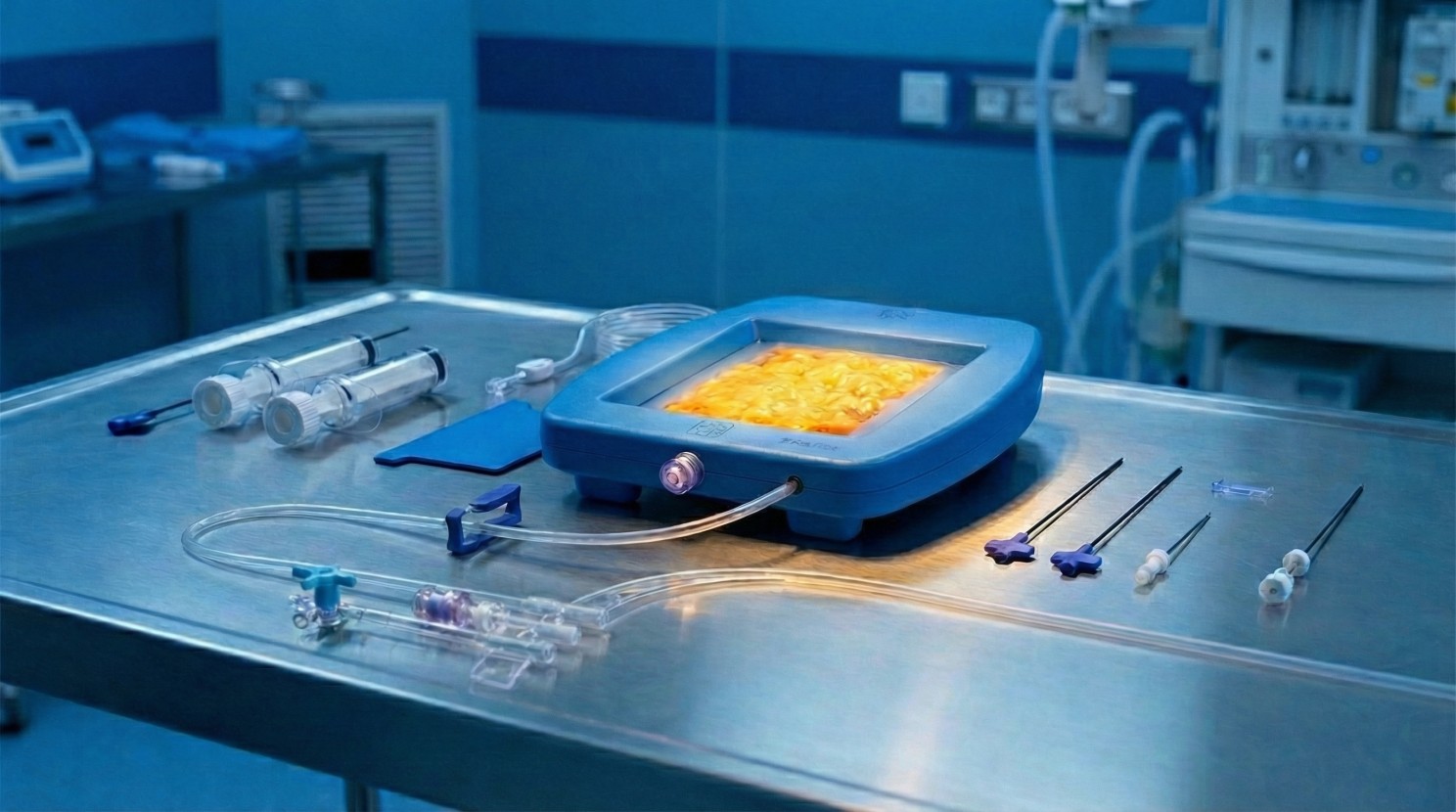
The conclusion of The Integrity Initiative is clear: reproducible results in breast surgery are only possible when we eliminate the variables that compromise tissue health. Excellence in fat grafting is no longer a matter of surgical “feel,” but of biological rigor.
ExaFat is the standard because it is the only system designed to respect the four dimensions of graft integrity simultaneously. By unifying low-pressure harvesting, simultaneous dialysis, chemical clearance, and metabolic preservation into a single, closed-loop workflow, it addresses the fundamental flaws of traditional processing:
- Beyond Centrifugation: While standard methods rely on G-force that can damage cell membranes, ExaFat utilizes gentle fluid dynamics to purify tissue without mechanical trauma.
- Total Contaminant Control: By reducing free lipids to <1% and removing >95% of blood cells, ExaFat eliminates the primary drivers of the post-operative inflammatory response and oil cyst formation.
- Regenerative Security: By clearing cytotoxic anesthetics like lidocaine, ExaFat ensures that the Adipose-Derived Stem Cells (ADSCs) remain viable and ready to drive neovascularization.
- Operational Reproducibility: For the surgeon, ExaFat removes the “human variable.” It provides a standardized, high-quality graft every time, regardless of the patient’s BMI or the complexity of the harvest.
- Chemical: Targeted clearance of residual lidocaine protects the long-term health of regenerative stem cells.
In the modern MedTech landscape, Advanced Biomedical Concept does not just provide a tool; we provide a biological insurance policy. When we prioritize the integrity of the graft through the ExaFat standard, we move beyond the era of unpredictable resorption and into an era of clinical precision and patient satisfaction. The conclusion of The Integrity Initiative is clear: reproducible results in breast surgery require the standardization of every variable.
References
- Cheriyan T, et al. Low Harvest Pressure Enhances Autologous Fat Graft Viability. Plast Reconstr Surg. 2014;133(6):1365-1368.
- Zhu M, et al. Comparison of Three Different Fat Graft Preparation Methods. Plast Reconstr Surg. 2013;132(6):873e-882e.
- Hoareau L, et al. Effect of centrifugation and washing on adipose graft viability. J Plast Reconstr Aesthet Surg. 2013;66(5):712-719.
- Girard AC, et al. New Insights into Lidocaine and Adrenaline Effects on Human Adipose Stem Cells. Aesthetic Plast Surg. 2013;37(1):144-152.
- Khouri RK, et al. Brava and Autologous Fat Transfer… Prospective Multicenter Study. Plast Reconstr Surg. 2012;129(5):1173-1187.
Compliance Note: Images associated with The Integrity Initiative are conceptual illustrations for educational purposes. All clinical claims are founded on the peer-reviewed literature cited.
Important information This article is general education, not medical advice. Tap to read the full medical, regulatory & legal notice.
This article is provided by Advanced Biomedical Concept for general informational and educational purposes only. It does not constitute medical, surgical, diagnostic, or other professional healthcare advice, and it is not a substitute for consultation with a suitably qualified healthcare professional. Reading it creates no doctor–patient or other professional relationship. Nothing here should be used to diagnose, treat, cure, or prevent any disease or condition, or to make decisions about medical care. Always seek the advice of a physician or other qualified provider with any questions about a medical condition or treatment, and never disregard or delay professional advice because of something you have read here.
Any reference to Advanced Biomedical Concept products (including ExaShape and ExaFat) is provided for general information only. These are medical devices intended to be used by appropriately trained healthcare professionals strictly in accordance with their applicable, current Instructions for Use (IFU). Regulatory status (including CE marking and classification under the EU Medical Device Regulation), market availability, and approved indications differ between countries and may change over time; a device referred to here may not be available or approved in your country. This content is not intended as, and must not be relied upon as, a statement or claim of safety, clinical performance, or efficacy beyond what is set out in the applicable IFU and current regulatory approvals. Product-specific information is directed at healthcare professionals and is not intended to promote, advertise, or offer any medical device to the general public where such promotion is restricted or prohibited by law.
Statements reflect information believed to be accurate at the date of publication and may be updated or corrected without notice. Any statements regarding the future are expectations or general views, not guarantees. Clinical outcomes depend on many individual factors, results vary from person to person, and no particular result is promised or implied. Where third-party studies, sources, or external links are referenced, they are provided for convenience and information only and do not imply endorsement, and Advanced Biomedical Concept is not responsible for their content.
To the fullest extent permitted by applicable law, Advanced Biomedical Concept and its officers, employees, contributors, and representatives (each acting in that capacity and on behalf of Advanced Biomedical Concept) accept no liability for any loss, injury, or damage of any kind arising directly or indirectly from use of, or reliance on, this content. Nothing in this notice excludes or limits any liability that cannot lawfully be excluded or limited.
Questions about this material can be directed to us via our contact page.
Last reviewed: June 16, 2026.