ExaShape in Practice: Which Configuration, Which Patient, and How to Use It
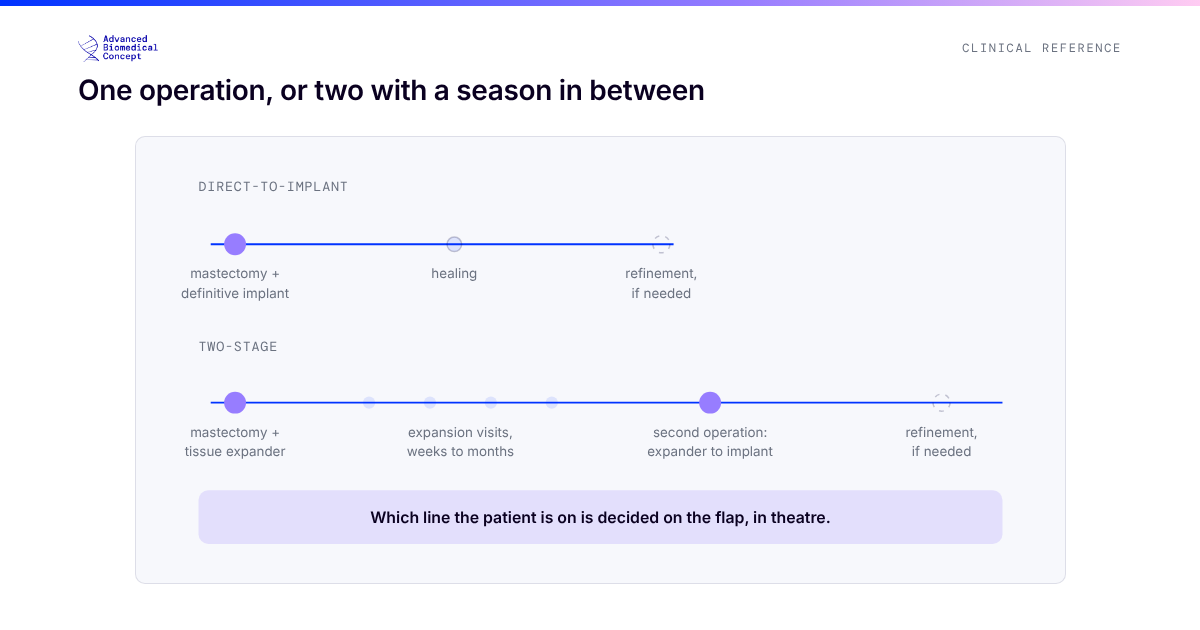
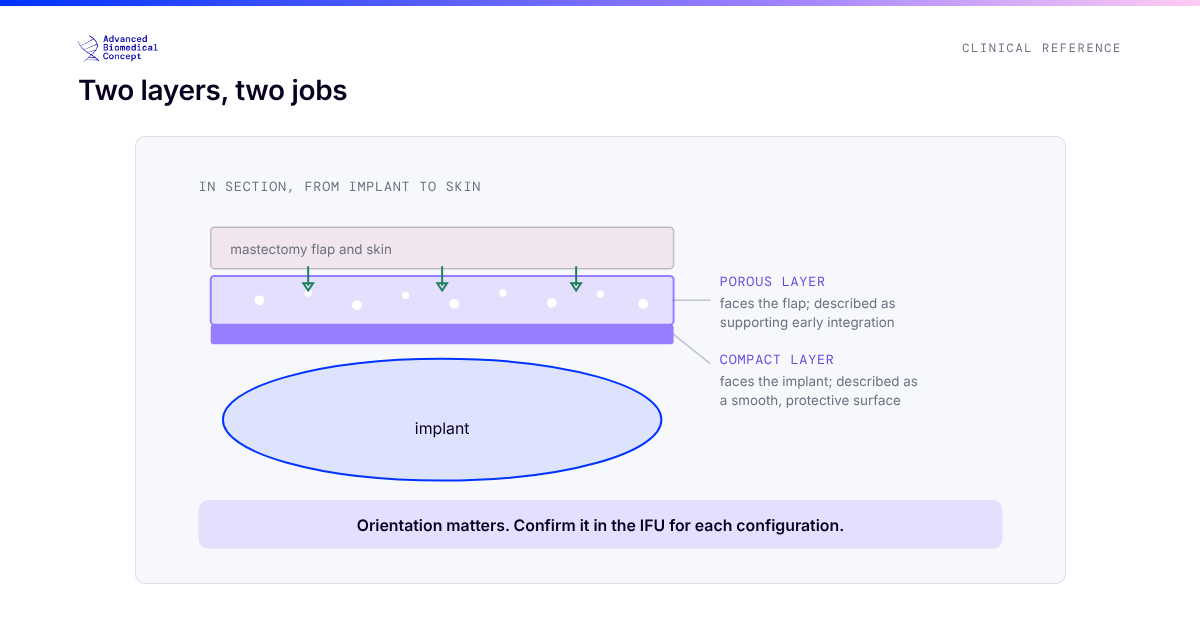
Why ExaShape, in which cases, which configuration, and how it is used in theatre, from the flap decision to the refinement stage.
Read article →Why ExaShape, in which cases, which configuration, and how it is used in theatre, from the flap decision to the refinement stage.
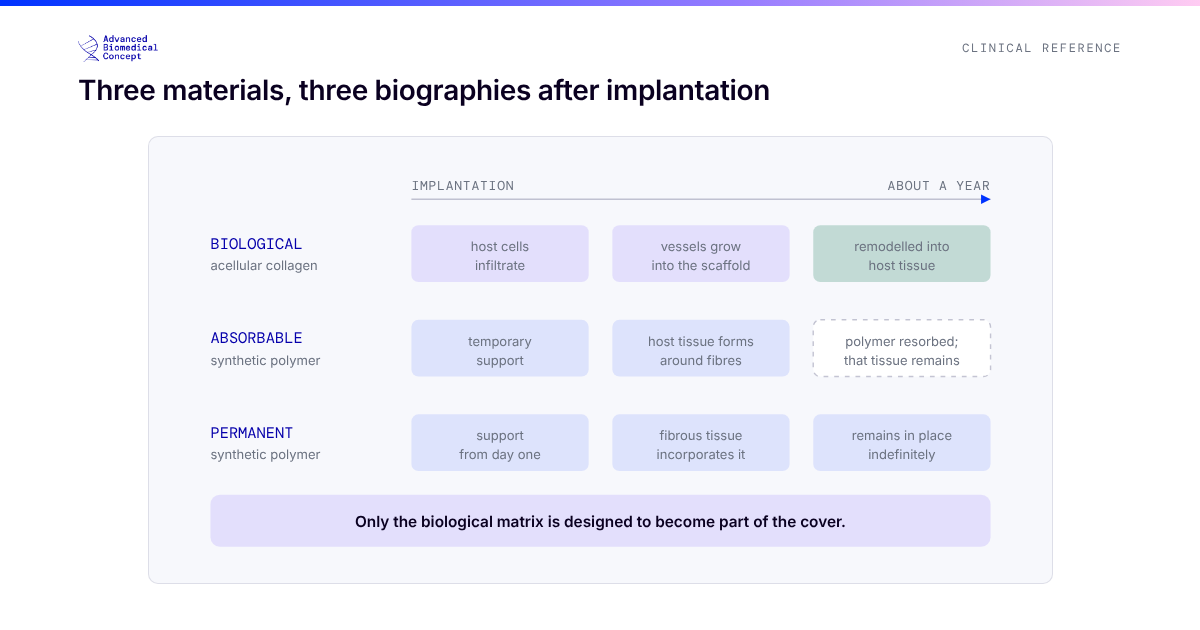
Read article →The randomised head-to-heads favour synthetic mesh on seroma; biological matrices offer integration into thin cover. The choice is made patient by patient.
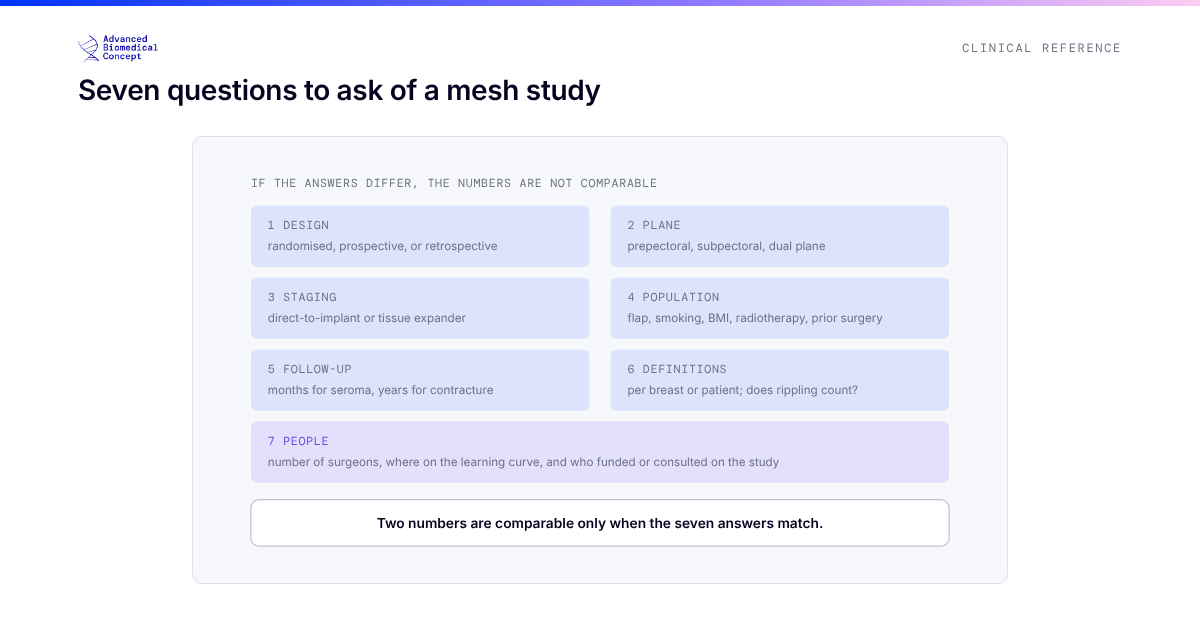
Read article →Headline complication rates for the same material range from under 10% to nearly 40%. Seven questions explain why, and show how to…
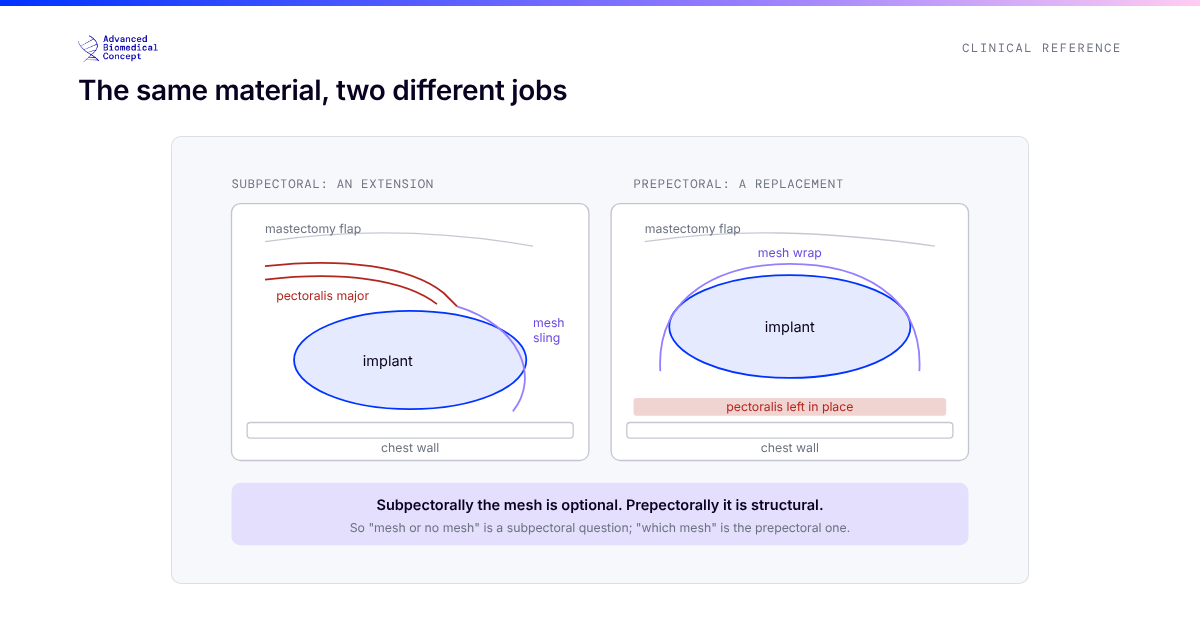
Read article →"Mesh" is a family, not a product. Subpectorally the question is whether to use one; prepectorally it is which one, configured how.
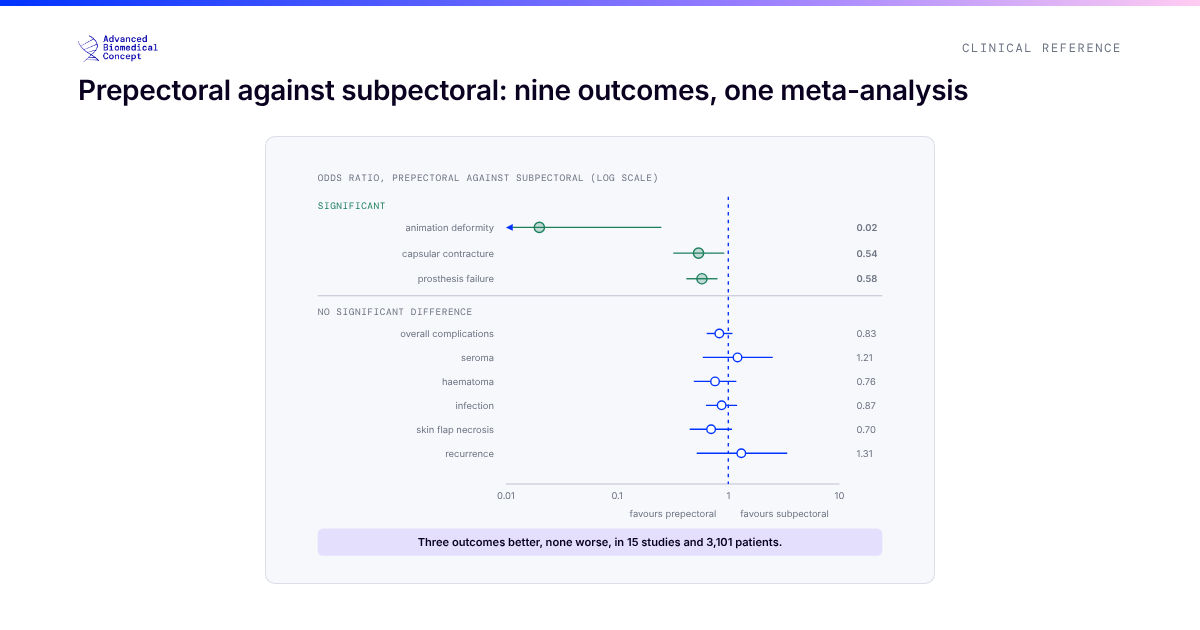
Read article →Pooled data favour prepectoral placement on three outcomes and disfavour it on none. The evidence is consistent but observational, and the first…
Read article →A meta-analysis, a randomised trial and a prospective cohort give three different answers. Selection on the mastectomy flap explains all three.
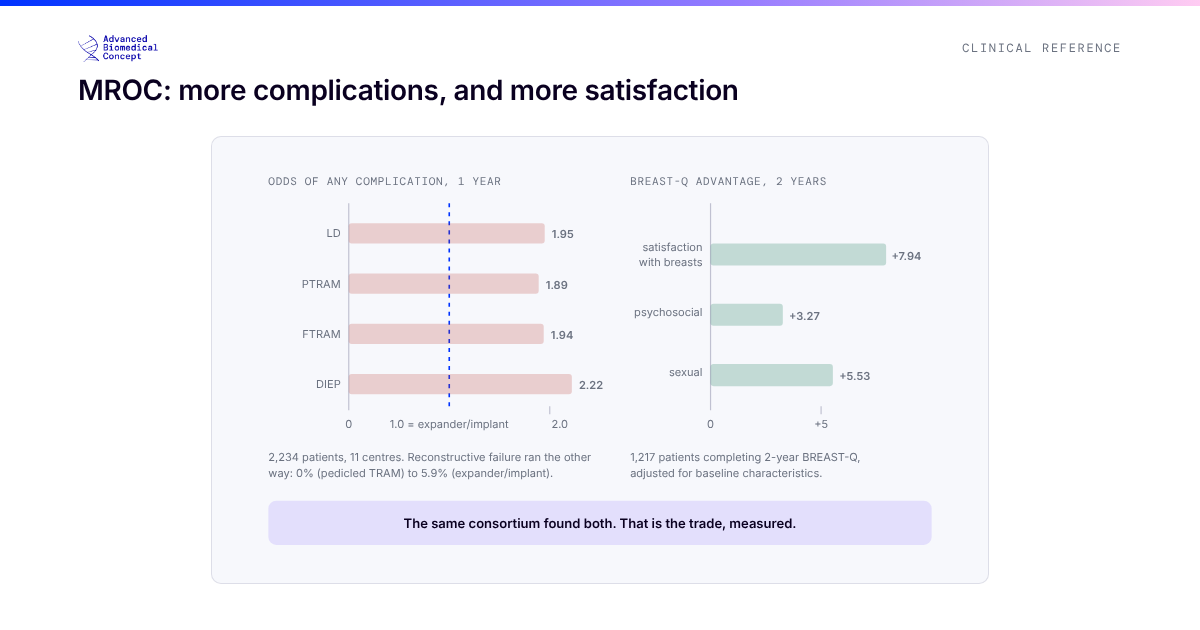
Read article →The best comparative study measured both trades at once: autologous tissue scores higher on satisfaction, implants carry fewer complications. The choice is…
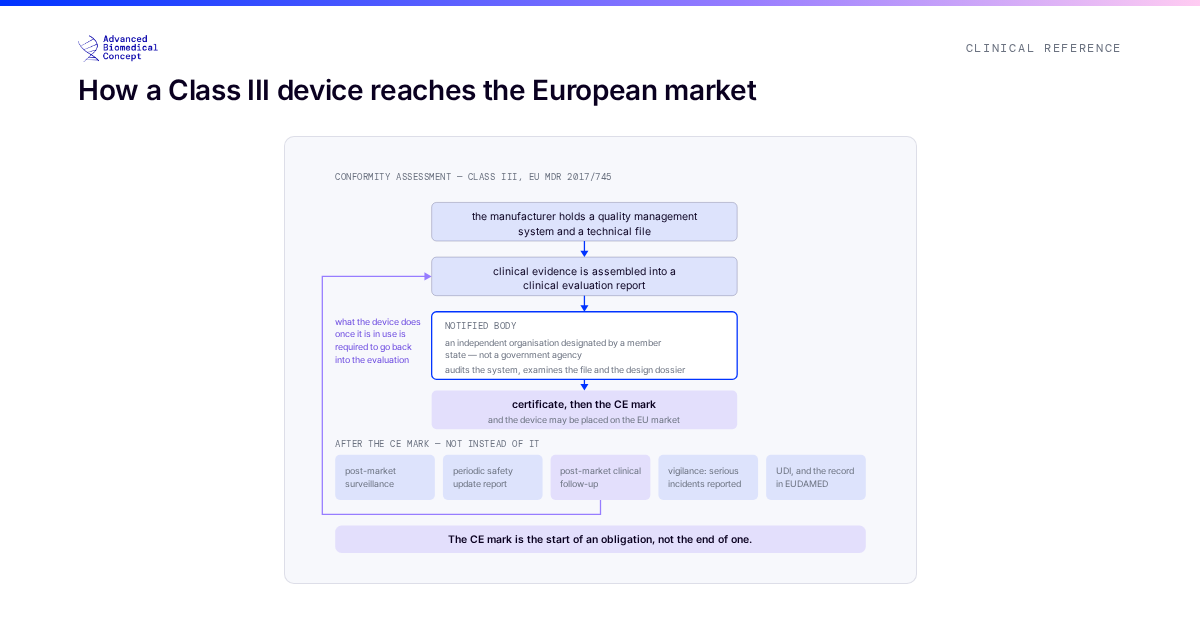
Read article →The CE mark answers whether a device meets the regulation for its intended purpose. It does not answer whether it is the…
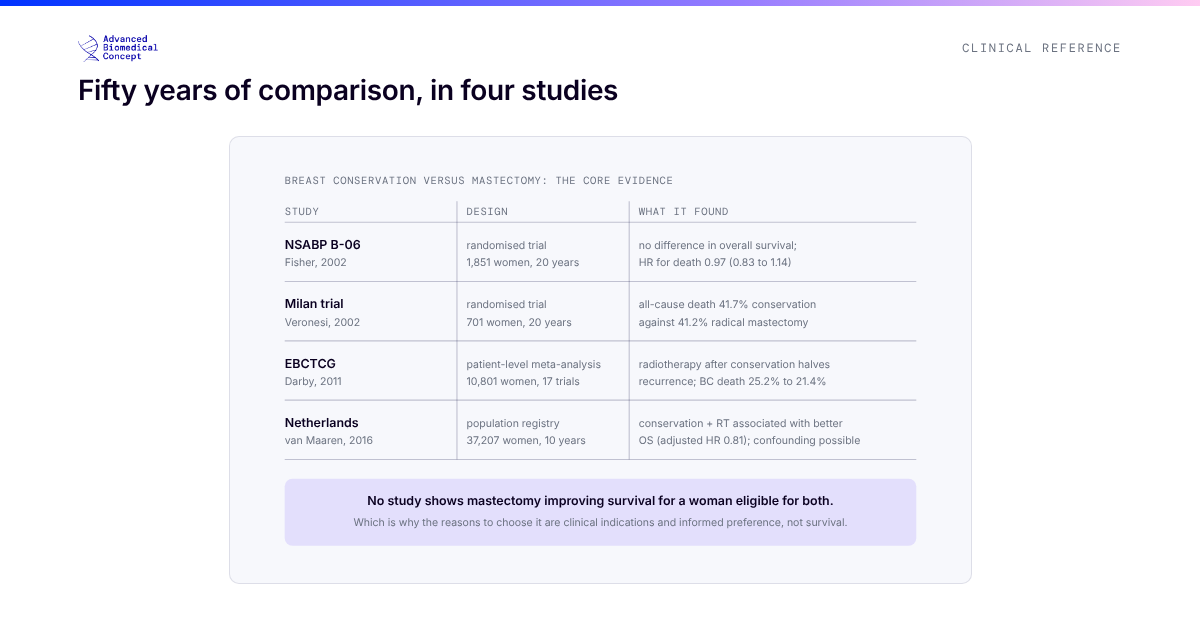
Read article →Fifty years of trials say conservation is at least as safe as mastectomy for eligible women. When mastectomy is the plan, the…
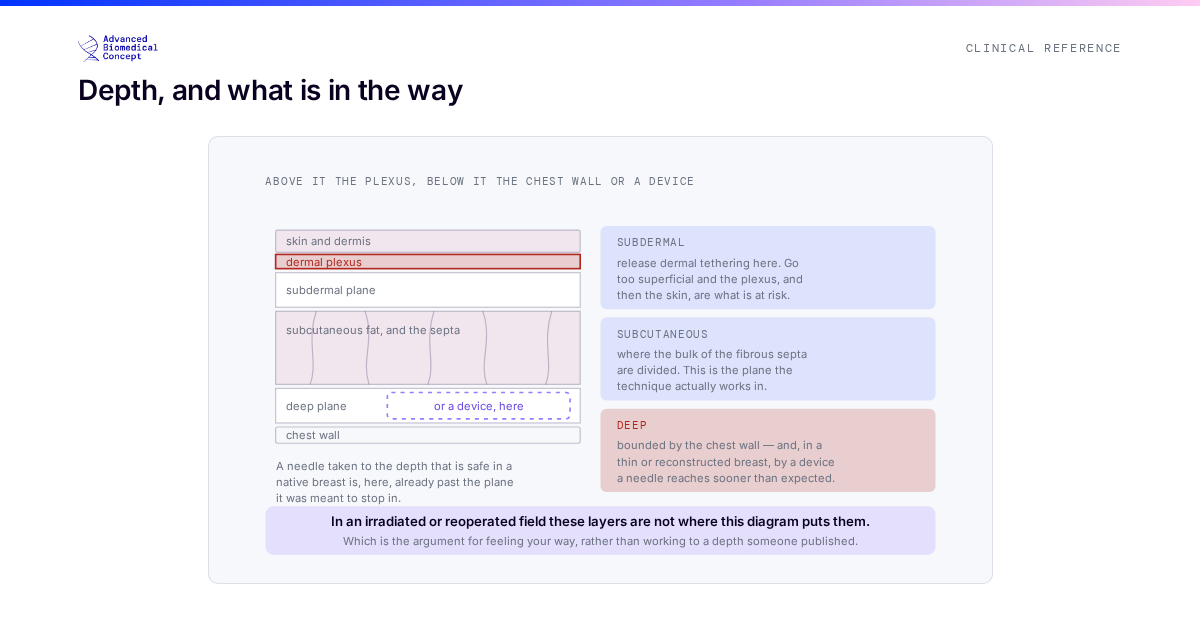
Read article →Two questions decide whether percutaneous release is safe in an irradiated or reconstructed chest: how deep, and when. Neither has a number…
Read article →From the ExaShape® biological matrix for breast reconstruction to the EXAFAT® fat-grafting system — explore the full range of ABC devices.
Explore our productsSend us a message and our team will get back to you within 1–2 business days.