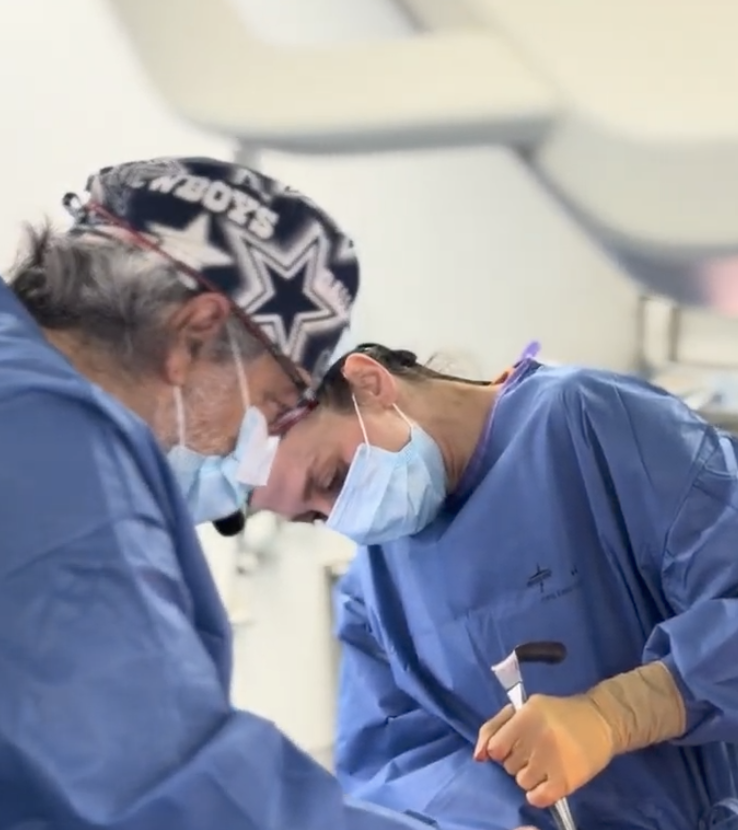
Oncoplastic surgery is the discipline that unites two goals once treated separately: removing the cancer and preserving or restoring the breast’s appearance. This article explains the idea and where reconstruction technology fits. It is general educational information, not medical advice.
Bringing two goals together
Historically, cancer removal and aesthetic outcome were handled sequentially and sometimes at odds. Oncoplastic surgery plans them together from the start, so oncologic safety and a good cosmetic and functional result are pursued as one objective — the coordination described in the oncologic pathway.
The techniques it spans
Oncoplastic surgery covers breast-conserving reshaping after lumpectomy through to reconstruction after mastectomy, including nipple-sparing approaches. The common thread is planning the aesthetic result alongside the oncologic one.
Where med tech contributes
In implant-based oncoplastic reconstruction, a biological matrix supports the implant and enables muscle-sparing prepectoral techniques, while fat grafting refines contour. This is where med tech for breast reconstruction supports oncoplastic goals directly.
Why teamwork is central
Oncoplastic care depends on collaboration between breast and reconstructive surgeons, oncologists and radiologists. The best results come from planning the whole journey — cancer control, reconstruction and adjuvant therapy — together.
The bottom line
Oncoplastic surgery integrates cancer removal with breast preservation and reconstruction, planned as a single objective and supported by modern biomaterials and fat grafting. It reflects how the field increasingly works: together, from the start.
This article is general educational information, not medical advice.
Important information This article is general education, not medical advice. Tap to read the full medical, regulatory & legal notice.
This article is provided by Advanced Biomedical Concept for general informational and educational purposes only. It does not constitute medical, surgical, diagnostic, or other professional healthcare advice, and it is not a substitute for consultation with a suitably qualified healthcare professional. Reading it creates no doctor–patient or other professional relationship. Nothing here should be used to diagnose, treat, cure, or prevent any disease or condition, or to make decisions about medical care. Always seek the advice of a physician or other qualified provider with any questions about a medical condition or treatment, and never disregard or delay professional advice because of something you have read here.
Any reference to Advanced Biomedical Concept products (including ExaShape and ExaFat) is provided for general information only. These are medical devices intended to be used by appropriately trained healthcare professionals strictly in accordance with their applicable, current Instructions for Use (IFU). Regulatory status (including CE marking and classification under the EU Medical Device Regulation), market availability, and approved indications differ between countries and may change over time; a device referred to here may not be available or approved in your country. This content is not intended as, and must not be relied upon as, a statement or claim of safety, clinical performance, or efficacy beyond what is set out in the applicable IFU and current regulatory approvals. Product-specific information is directed at healthcare professionals and is not intended to promote, advertise, or offer any medical device to the general public where such promotion is restricted or prohibited by law.
Statements reflect information believed to be accurate at the date of publication and may be updated or corrected without notice. Any statements regarding the future are expectations or general views, not guarantees. Clinical outcomes depend on many individual factors, results vary from person to person, and no particular result is promised or implied. Where third-party studies, sources, or external links are referenced, they are provided for convenience and information only and do not imply endorsement, and Advanced Biomedical Concept is not responsible for their content.
To the fullest extent permitted by applicable law, Advanced Biomedical Concept and its officers, employees, contributors, and representatives (each acting in that capacity and on behalf of Advanced Biomedical Concept) accept no liability for any loss, injury, or damage of any kind arising directly or indirectly from use of, or reliance on, this content. Nothing in this notice excludes or limits any liability that cannot lawfully be excluded or limited.
Questions about this material can be directed to us via our contact page.
Last reviewed: July 24, 2026.