A recap of Advanced Biomedical Concept’s two-day live surgery training with Prof. Roy de Vita at the Regina Elena Cancer Institute
There are moments in medical education that feel like a genuine step forward, where the gap between theory and practice narrows, and a room full of surgeons leaves knowing something they could not have learned any other way. Mastering the Prepectoral Plane 2.0 was one of those moments.
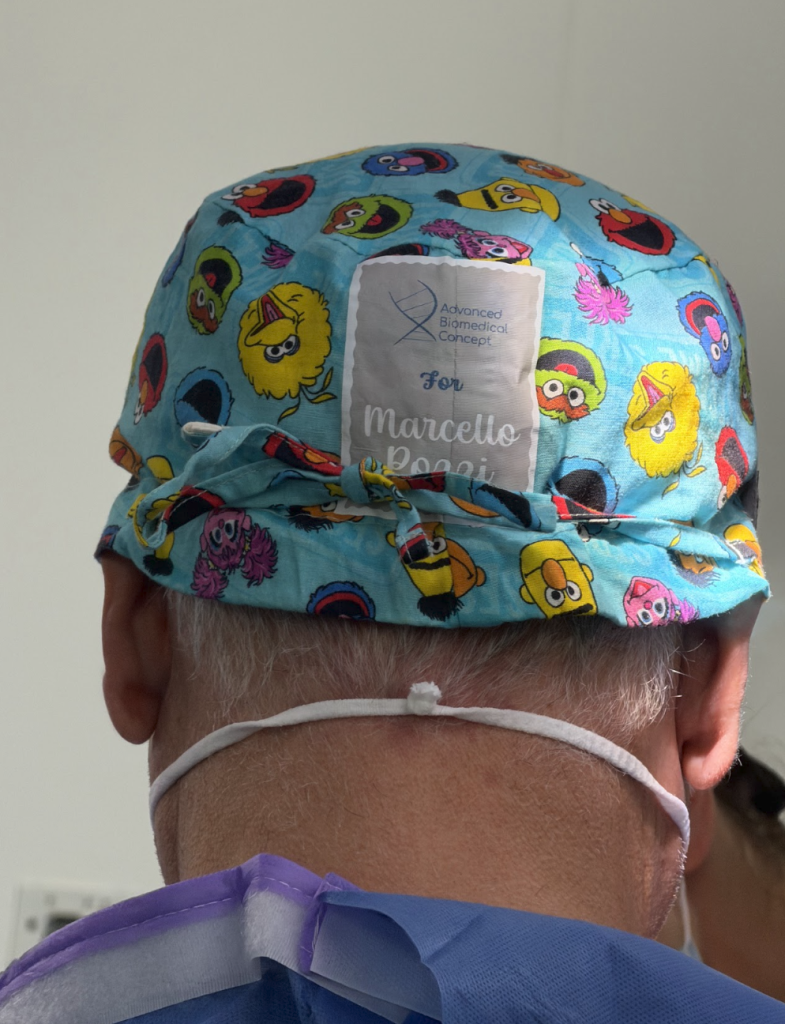
Over two intensive days, Advanced Biomedical Concept brought together surgeons and global distribution partners for a program built on a simple but demanding premise: that elite surgical education should bridge rigorous clinical strategy with the realities of advanced surgical application. Not one or the other. Both, in the same room, in real time.
A Foundation Built on Strategy
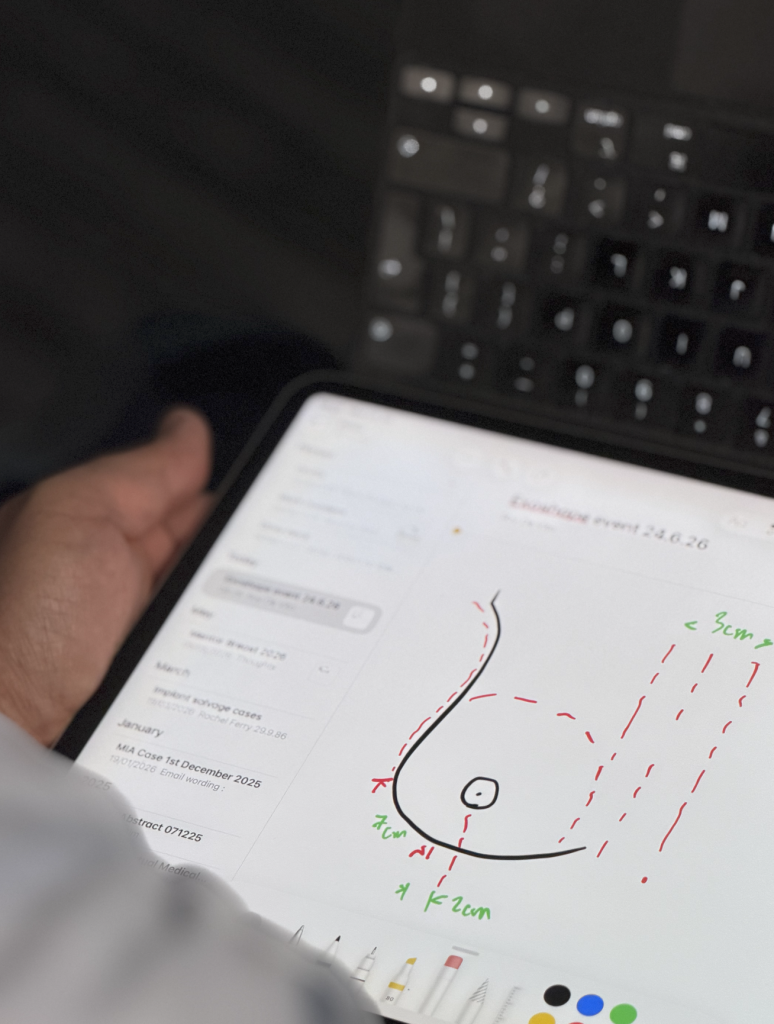
The first day was dedicated to the thinking behind the technique. Before a single incision, attendees worked through the comprehensive theoretical frameworks that underpin modern prepectoral reconstruction — the anatomical reasoning, the patient selection criteria, and the clinical strategy that separates a good outcome from a predictable one.
This groundwork mattered. In a field where technique often gets the spotlight, Mastering the Prepectoral Plane 2.0 insisted that understanding the “why” is what makes the “how” repeatable. By the end of the day, attendees were not simply prepared to watch a procedure — they were equipped to interpret it.
Live Surgery, Seen With Unprecedented Clarity
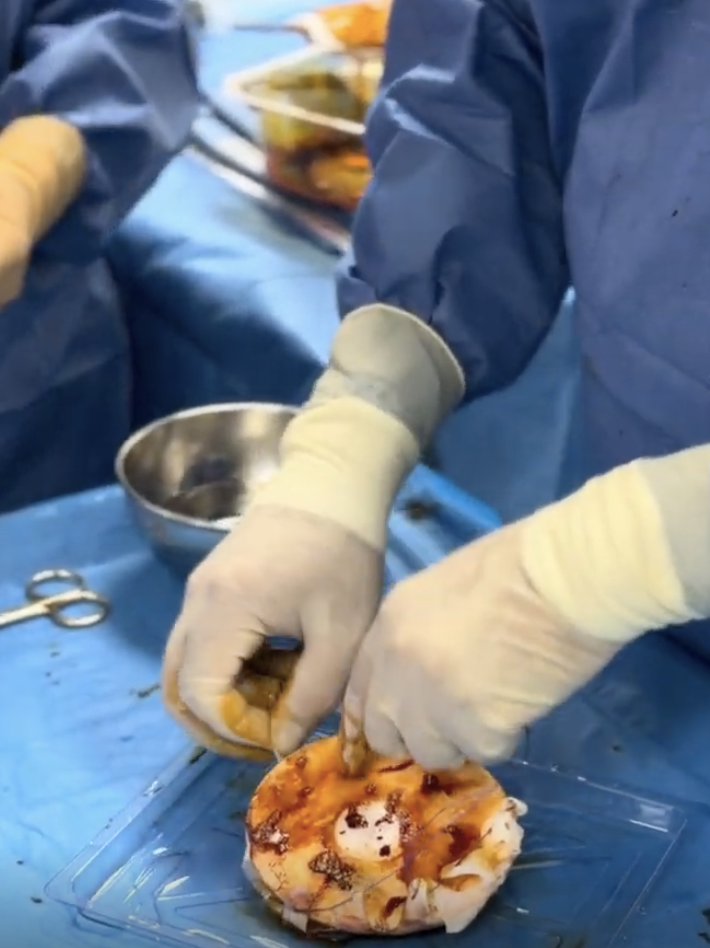
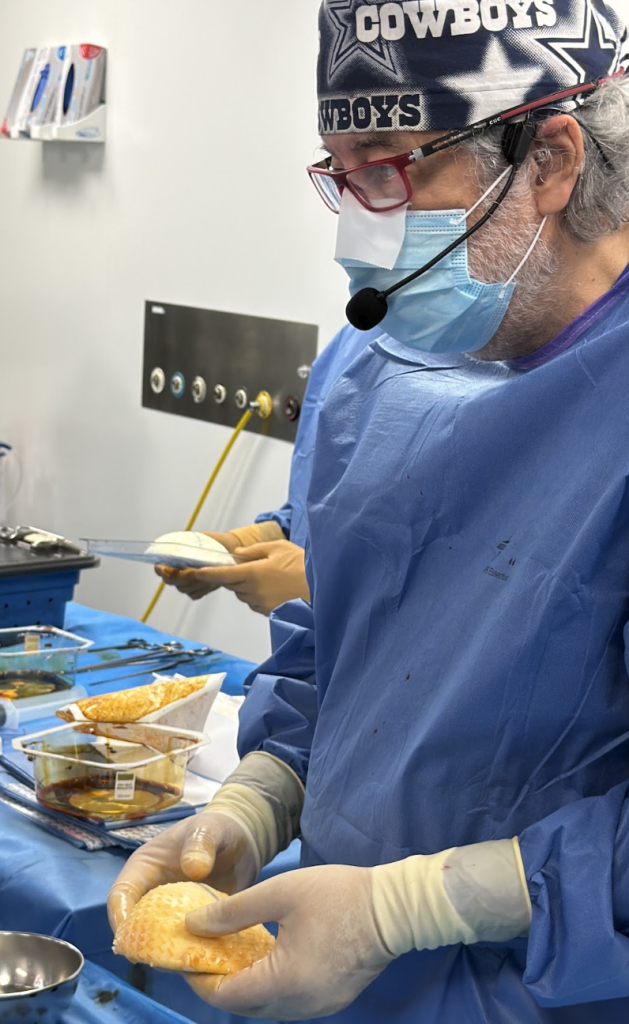
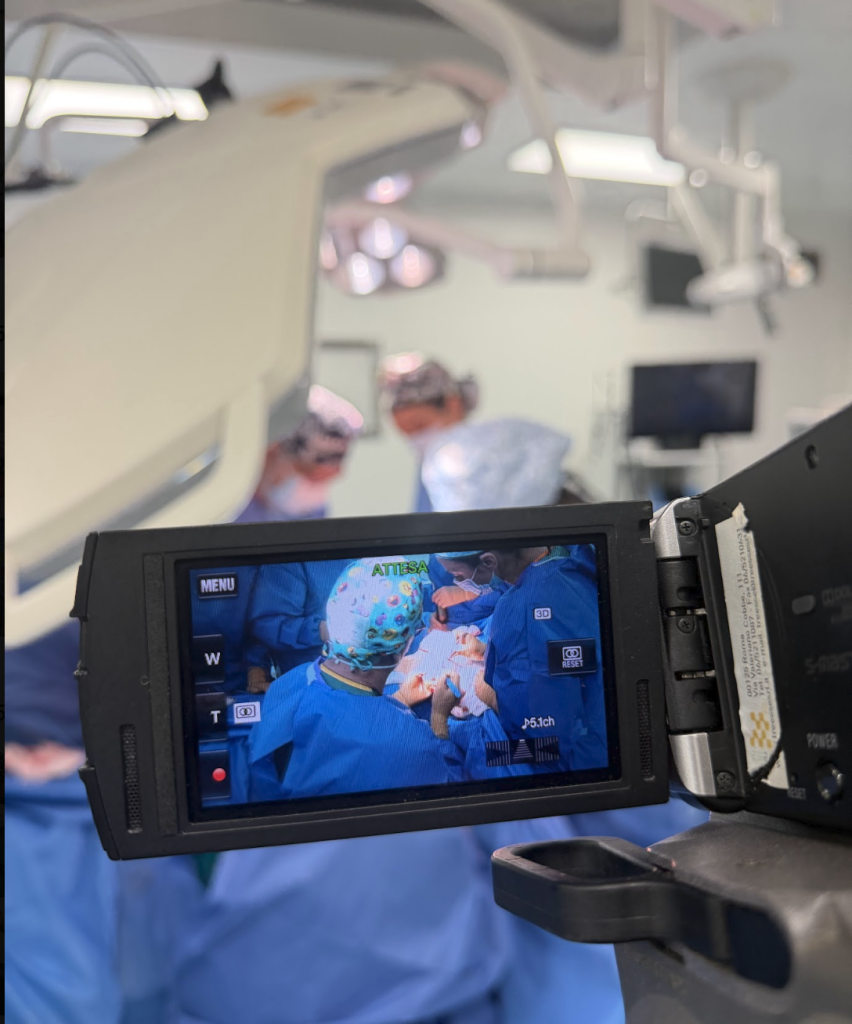
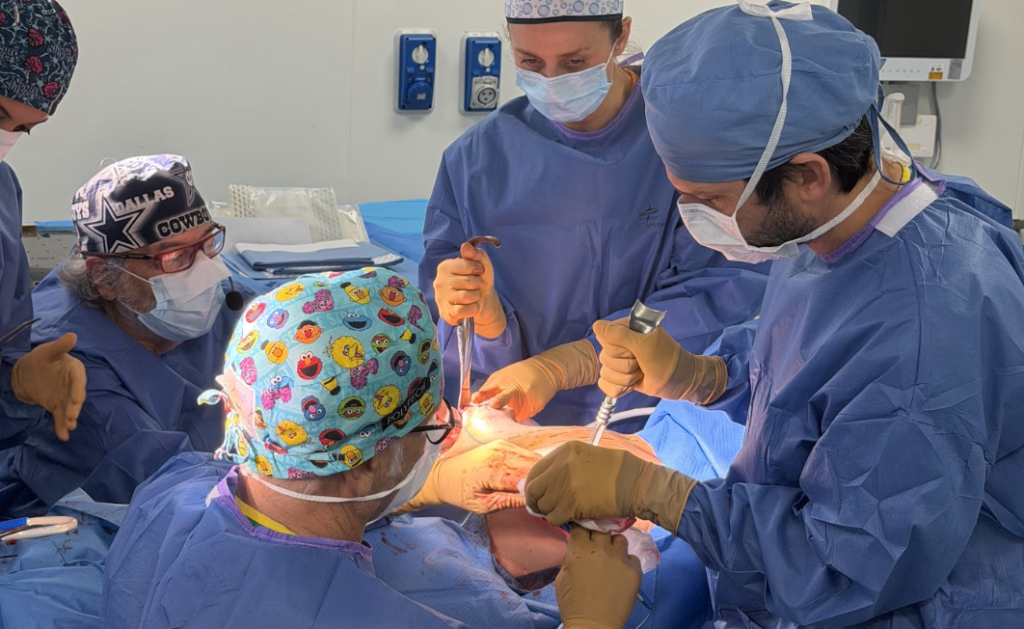
Day two moved from the lecture hall to the operating theatre. Attendees experienced live procedures performed by Prof. Roy de Vita and his team at the prestigious Regina Elena Cancer Institute — a surgeon and an institution synonymous with excellence in reconstructive surgery.
What set this experience apart was how it was seen. The procedures were broadcast in full 3D stereoscopic vision, allowing international guests to observe complex tissue dynamics and procedural execution with a depth and clarity that flat video simply cannot convey. Subtle planes, tissue tension, the precise choreography of the surgeon’s hands — details that are often lost in translation became vivid and legible.
For many in the room, it was a revelation. Surgery is a three-dimensional discipline, and for the first time, the education matched the reality. Watching Prof. de Vita work was not a substitute for being at the table — it was, in some respects, an even better vantage point, offering a view that even an assisting surgeon rarely gets.
In the Words of Those Who Were There
“Seeing the prepectoral plane developed in true 3D changed how I understand the anatomy. This is the closest thing to standing beside Prof. de Vita himself.” — [Anonymous Attending surgeon]
Why This Matters Beyond the Room
Advanced Biomedical Concept’s mission extends well past any single event. The goal is standardized, predictable outcomes worldwide — and that ambition depends on education that travels. When surgeons across different countries and health systems share a common understanding of technique and strategy, patients everywhere benefit.
That is what Mastering the Prepectoral Plane 2.0 was really about. The 3D broadcast, the clinical frameworks, the access to a master surgeon — these were not the point in themselves. They were the means to a larger end: empowering surgeons with the knowledge and tools necessary to raise the standard of care, everywhere, for everyone.
A New Idea Takes Shape: The “Libra” Concept
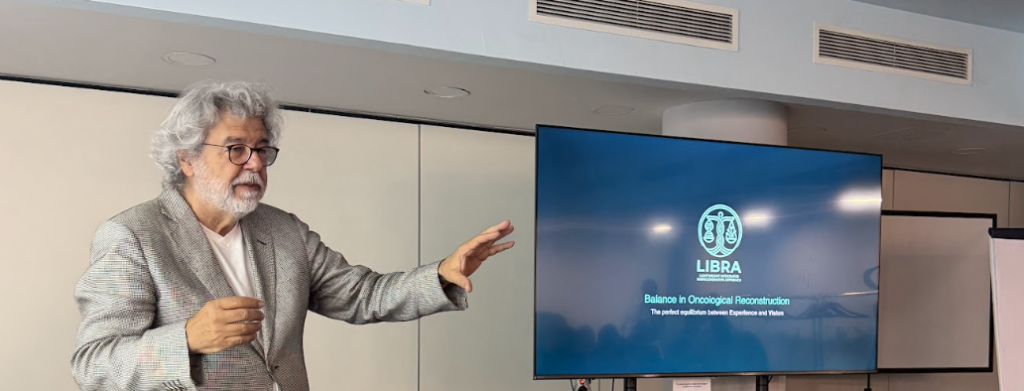
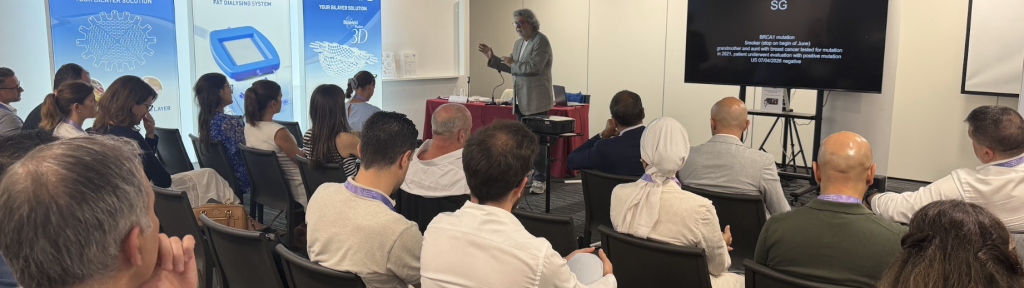
One of the most compelling moments of the program came when Prof. de Vita shared a forward-looking idea for breast reconstruction — a concept he calls Libra. Named for the notion of balance, the approach pairs the B-Lite lightweight implant by Polytech with the Exashape membrane, combining two technologies in service of a more refined, better-supported prepectoral result.
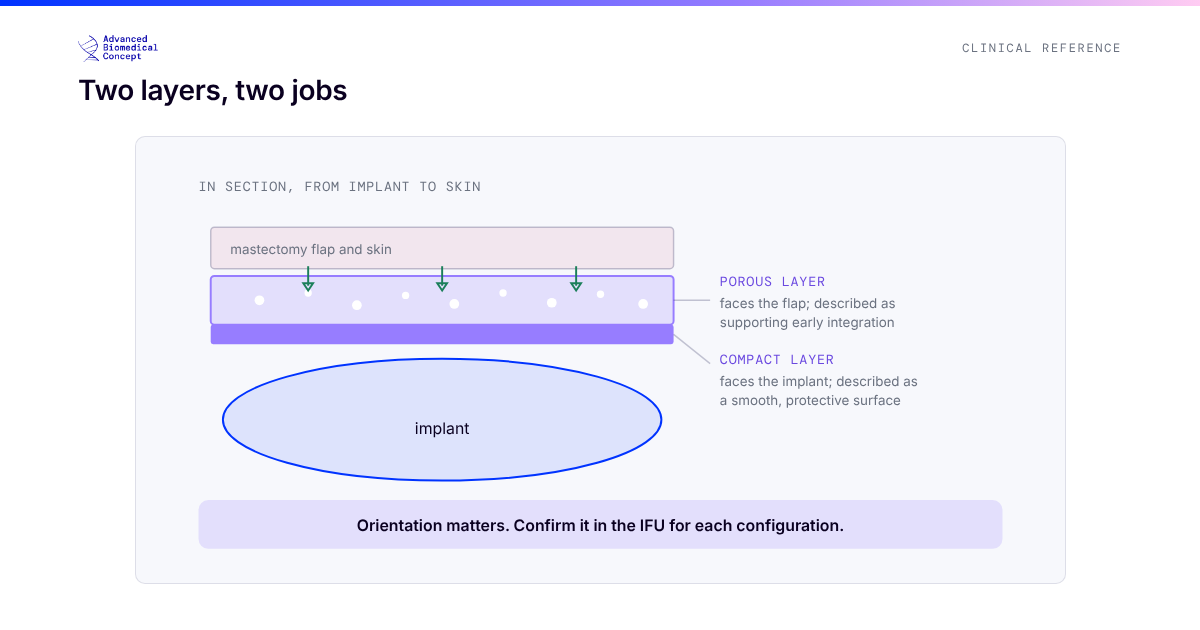
The thinking behind Libra reflects exactly the kind of innovation this program was built to foster. B-Lite’s reduced weight aims to lessen long-term tissue load, while the ExaShape membrane offers structured support and control of the implant pocket. Brought together, Prof. de Vita suggested, they open the door to reconstruction that is lighter, more stable, and more predictable over time — the very qualities that define a mature prepectoral approach.
For attendees, hearing a surgeon of Prof. de Vita’s stature think out loud about where the field is heading was a highlight in itself. Libra is a concept in motion rather than a finished protocol, but that is precisely the point: Mastering the Prepectoral Plane 2.0 is not only about mastering today’s techniques, but about shaping the ones that come next.
Our Thanks — and What Comes Next
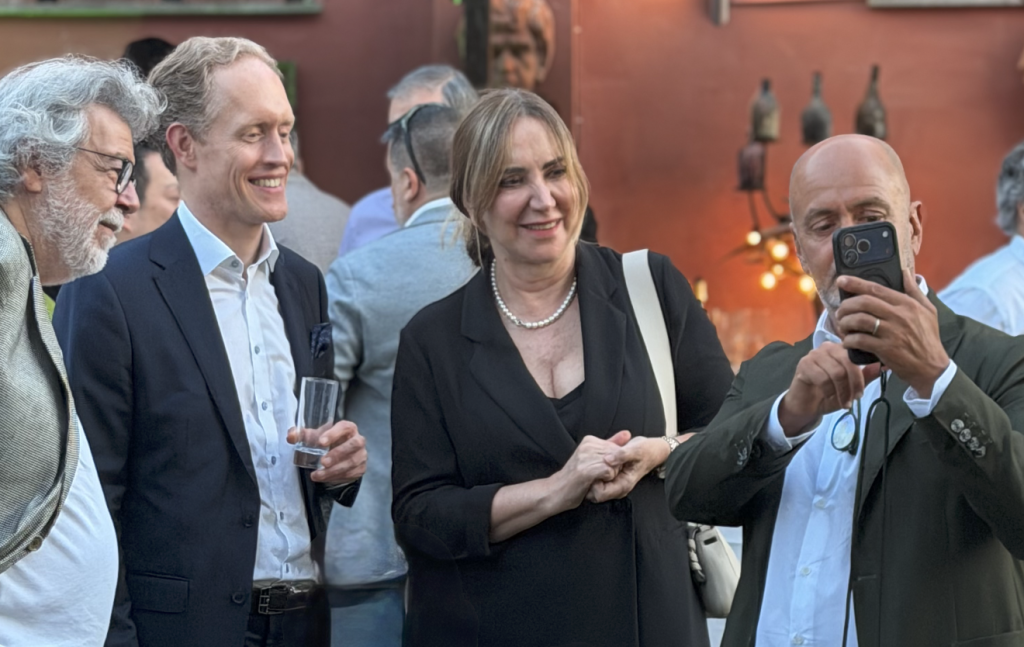
To the surgeons who traveled to learn, question, and sharpen their craft; to the global distribution partners who share our belief in the power of education; and to Prof. Roy de Vita and his exceptional team at the Regina Elena Cancer Institute — thank you. Programs like this succeed because of the people who commit to them.
We remain deeply committed to elite clinical education, and this is only the beginning.
Experience the technology firsthand. If you would like to join a future session, partner with us, or bring this training to your region, we invite you to get in touch. The next chapter of Mastering the Prepectoral Plane is already taking shape — and we would be honored to have you in the room.
Advanced Biomedical Concept — advancing surgical education for standardized, predictable outcomes worldwide.
Important information This article is general education, not medical advice. Tap to read the full medical, regulatory & legal notice.
This article is provided by Advanced Biomedical Concept for general informational and educational purposes only. It does not constitute medical, surgical, diagnostic, or other professional healthcare advice, and it is not a substitute for consultation with a suitably qualified healthcare professional. Reading it creates no doctor–patient or other professional relationship. Nothing here should be used to diagnose, treat, cure, or prevent any disease or condition, or to make decisions about medical care. Always seek the advice of a physician or other qualified provider with any questions about a medical condition or treatment, and never disregard or delay professional advice because of something you have read here.
Any reference to Advanced Biomedical Concept products (including ExaShape and ExaFat) is provided for general information only. These are medical devices intended to be used by appropriately trained healthcare professionals strictly in accordance with their applicable, current Instructions for Use (IFU). Regulatory status (including CE marking and classification under the EU Medical Device Regulation), market availability, and approved indications differ between countries and may change over time; a device referred to here may not be available or approved in your country. This content is not intended as, and must not be relied upon as, a statement or claim of safety, clinical performance, or efficacy beyond what is set out in the applicable IFU and current regulatory approvals. Product-specific information is directed at healthcare professionals and is not intended to promote, advertise, or offer any medical device to the general public where such promotion is restricted or prohibited by law.
Statements reflect information believed to be accurate at the date of publication and may be updated or corrected without notice. Any statements regarding the future are expectations or general views, not guarantees. Clinical outcomes depend on many individual factors, results vary from person to person, and no particular result is promised or implied. Where third-party studies, sources, or external links are referenced, they are provided for convenience and information only and do not imply endorsement, and Advanced Biomedical Concept is not responsible for their content.
To the fullest extent permitted by applicable law, Advanced Biomedical Concept and its officers, employees, contributors, and representatives (each acting in that capacity and on behalf of Advanced Biomedical Concept) accept no liability for any loss, injury, or damage of any kind arising directly or indirectly from use of, or reliance on, this content. Nothing in this notice excludes or limits any liability that cannot lawfully be excluded or limited.
Questions about this material can be directed to us via our contact page.
Last reviewed: July 17, 2026.